Creating the Ideal Tailored Produce Boxes: A Step-by-Step Approach
Creating custom produce boxes demands a calculated approach. Experts must consider environmental responsibility, practicality, and aesthetics. Selecting the appropriate materials is vital for preserving quality and supporting environmentally conscious methods. Furthermore, dimensions and form can significantly impact usability and transport efficiency. Impactful graphics strengthen company identity, while comprehensive evaluation guarantees durability. Comprehending these components will reveal important understandings into developing exceptional container solutions that connect with consumers. What follows after is critical to reaching those goals.
Choosing the Right Components for Custom Produce Boxes
When picking materials for custom produce boxes, it is essential to review both functionality and environmental impact. The choice of material considerably influences the box's durability, weight, and function to protect the contents. Common materials feature corrugated cardboard, which provides strength and is recyclable, making it a preferred choice for eco-conscious businesses. Biodegradable options, such as molded pulp or plant-based plastics, also support sustainable practices while offering adequate protection for delicate produce.
Moreover, moisture resistance is indispensable for keeping quality consistent, causing some producers to assess treated materials or particular protective applications. The visual charm of the box deserves consideration, since branding and visual presentation can shape consumer perception. Ultimately, the best option should equilibrate between protecting the produce, appealing to customers, and adhering to environmental standards, confirming that performance and sustainable practices are emphasized within the development procedure.
How to Decide on Size and Shape for Effectiveness?
When deciding on the size and shape of custom produce boxes, thorough evaluation of produce dimensions is essential for proper storage. Additionally, attention to handling and transport can affect the box structure, ensuring ease of movement. Optimizing storage space utilization further enhances functionality, enabling efficient display and storage.
Review Produce Dimensions Carefully
Picking the optimal proportions and form for fruit containers is necessary for efficiency and effectiveness. Meticulous examination of item dimensions is critical, as it ensures that items fit securely without excess room that might cause damage during transport or warehousing. Custom-designed containers need to support diverse configurations, from delicate berries to bulky produce, while upholding structural integrity. Moreover, the height and width of the boxes should facilitate layered storage and organization, utilizing space in storage locations. A well-engineered container not only protects the produce but also elevates visual appeal for purchasers. In conclusion, careful consideration of dimensions supports curtailing losses and improving overall user experience in the distribution chain.
Examine Handling and Transport Practices
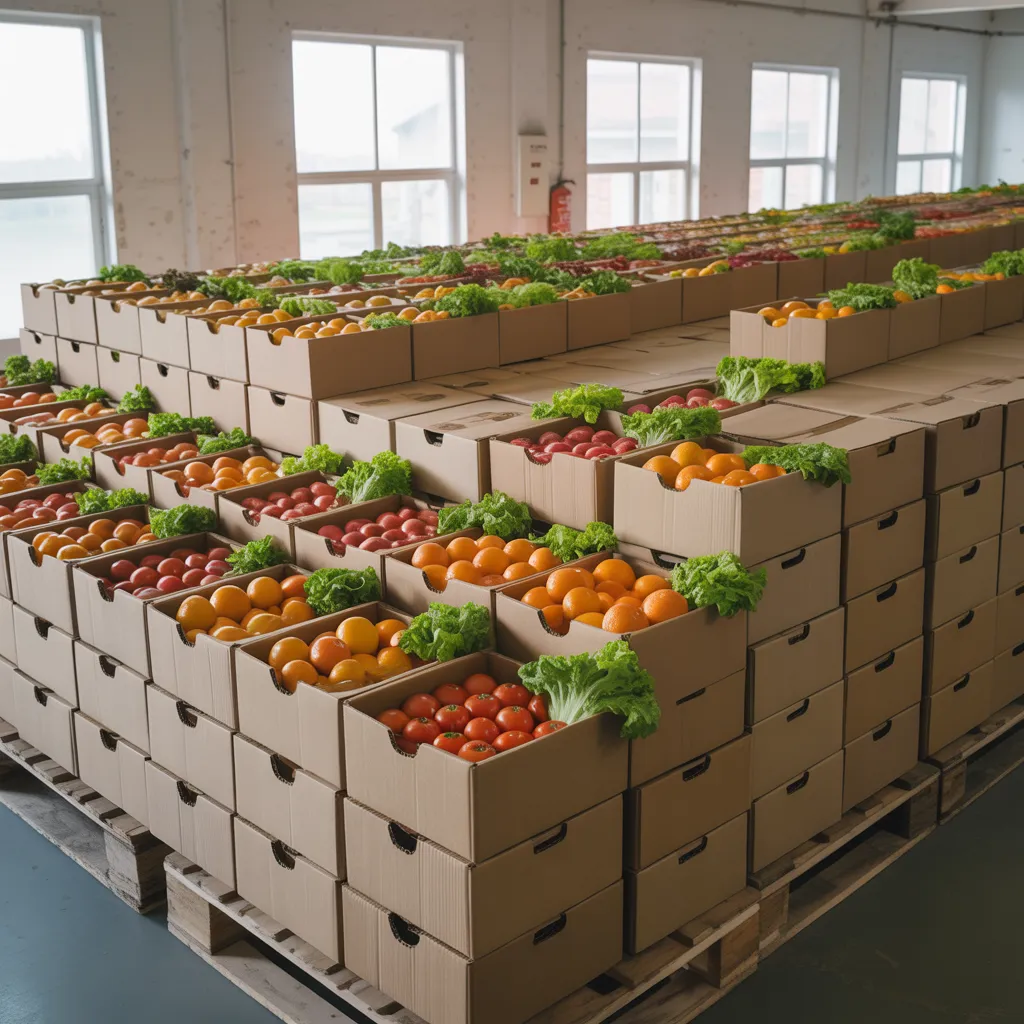
Transport and handling considerations play a significant role in determining the proper size and form of specialized agricultural boxes. The dimensions must hold the produce without surplus space, which could result in movement and injury during transit. Compact boxes assist with simpler management, while bigger containers may be needed for bulkier products. Additionally, proper design is essential; grips or access points should be deliberately placed to permit comfortable lifting and transporting. The shape of the box also impacts layering and balance, ensuring that products stay safe. In the end, careful consideration of these factors boosts the productivity of delivery, minimizes product loss, and upholds the general soundness of the fresh items from farm until end user.
Improve Retail Space Management
Efficient shelving efficiency relies upon selecting the right size and shape of tailored fruit and vegetable containers. Product planners should consider the measurements of the shelving units as well as the varieties of fruits and vegetables being kept. Rectangular boxes often optimize spatial utilization, allowing for simpler stacking and alignment. On the other hand, unique shapes can improve visual appeal but may lead to wasted space if not carefully planned.
It's essential to evaluate the inventory turnover rate; faster-moving items might gain advantages with compact, readily reachable containers. Additionally, implementing adjustable or modular designs can accommodate varying sizes of produce while improving shelf organization. By prioritizing practical design combined with visual appeal, businesses can create a functional and attractive presentation that boosts both accessibility and product visibility.
How to Generate Visual Content That Attract Engagement?
Compelling graphics can reshape a plain custom produce box into a visual masterpiece that attracts notice. To achieve this, designers should start by picking pertinent information a color combination that conveys the freshness and brightness of the produce. Bright, captivating colors can awaken feelings of freshness and wellbeing, compelling consumers to take a further look.
Using bold typography is also essential; clear and legible fonts can successfully convey key details while improving aesthetic quality. Additionally, incorporating premium photographs of the produce can establish instant rapport, displaying the item's excellence and enticing prospective customers.
Furthermore, incorporating unique patterns or illustrations can assist in setting apart the brand in a crowded market. Steadiness in design elements, such as logos and taglines, reinforces brand identity. Ultimately, a blend of creativity and clarity in graphic design can greatly boost the significance of custom produce boxes, making them shine on shelves.
Environmentally Responsible Practices for Custom Produce Box Containers
A growing number of businesses are embracing green practices for custom produce box packaging, recognizing its value in today's environmentally conscious market. These practices often feature the use of biodegradable materials, such as recycled paper and plant-based plastics, which minimize environmental impact. Companies are also focusing on ethical sourcing, making certain that materials are obtained from responsibly managed forests or suppliers who prioritize environmental stewardship.
In turn, numerous brands are choosing understated formats that reduce waste while still efficiently promoting their products. This approach not only resonates with environmentally aware consumers but also helps in reducing production costs. Moreover, businesses are increasingly applying efficient manufacturing processes that minimize energy consumption and waste generation. By implementing these green practices, companies not only improve their brand image but also contribute positively to the planet, aligning their operations with a sustainable future.
Validate Your Custom Produce Box Design
Testing the design of personalized vegetable containers is an essential step in ensuring they meet both visual and functional requirements. This process typically involves evaluating factors such as durability, dimensions, and usability. First, samples must be developed to assess the box's structural integrity, ensuring it can endure transportation and storage without compromising the contents.
Following this, usability assessments can be carried out to measure how readily the boxes can be unfastened, closed, and stacked. Comments from prospective users can be invaluable in this phase, delivering understanding of the box's usefulness.
In addition, the design's visual appeal should be tested through survey groups or focus panel discussions, gauging consumer reactions to branding features, colors, and overall presentation.
In the end, rigorous testing permits designers to enhance the box, ensuring it not only appeals to customers but also adequately protects and displays the produce within, striking the right balance between form and function.
Effectively Promoting Your Custom Produce Boxes
Successful promotion of personalized vegetable containers demands a strategic approach that highlights their distinctive advantages and value. Businesses should concentrate on determining their intended customers, such as local farms, grocery stores, or individual consumers. Utilizing social networking sites can amplify market visibility, displaying the boxes' design and practicality through engaging visuals and storytelling.
Furthermore, teaming up with local influencers or farmers can strengthen credibility and extend reach. Introducing offers or price reductions during high-demand periods can pull in new clients and stimulate customer loyalty.
Moreover, emphasizing environmental consciousness and green initiatives in advertising content can connect with environmentally conscious consumers. Supplying thorough details about the materials used and the benefits of custom packaging can better position the product in an increasingly competitive landscape.
Ultimately, a comprehensive advertising plan that blends web-based and community-based efforts will effectively publicize custom produce boxes, appealing to a heterogeneous clientele and generating sales.
Frequently Requested Questions
What Are the Charges Related to Custom Produce Box Design?
Costs connected to custom produce box design include raw materials, printing, labor, and delivery. Additionally, design work and production minimums can impact overall costs, resulting in different prices based on particular needs and production scale.
How much time Does It Take to Produce Personalized Boxes?
Producing customized boxes usually demands two to six weeks. Determinants that shape this timeline include intricacy of design, materials sourcing, and manufacturing capacity, each of which might impact shipment timelines and lead times.
Is it Feasible to Order a Small Quantity of Tailored Produce Boxes?
Yes, limited amounts of custom produce boxes can typically be ordered. Many providers extend minimum order quantities, enabling businesses or individuals to procure tailored packaging solutions without having to dedicate to large amounts initially.
Which Common Errors Should Be Avoided in Custom Box Design?
Frequent errors in custom box layout encompass overlooking functionality, disregarding brand consistency, underestimating material quality, not considering target audience preferences, and disregarding environmental impact. Each aspect is vital for effective packaging and customer satisfaction.
How Do I Confirm That My Boxes Are Food-Safe?
To guarantee boxes are safe for food, one must choose substances certified for food contact, prevent harmful inks and adhesives, maintain cleanliness during production, and regularly test for compliance with health regulations and safety standards.